SELECTED WORKS
Naomi Lord is an interdisciplinary artist and cultural practitioner working across situated observation, social practice, installation, performance and collaborative cultural development. Her work moves between making, research, learning and co-production, creating spaces, structures and encounters through which people can examine place, share authorship, imagine and realise what might be otherwise.
SITUATED OBSERVATION
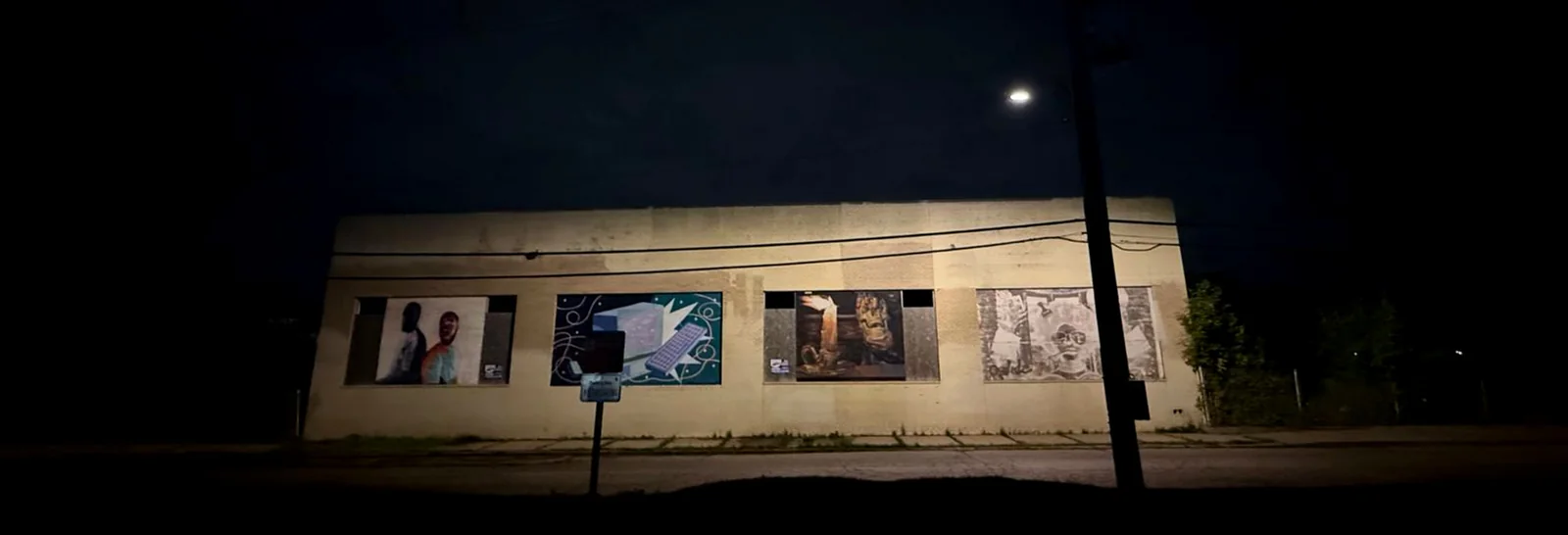
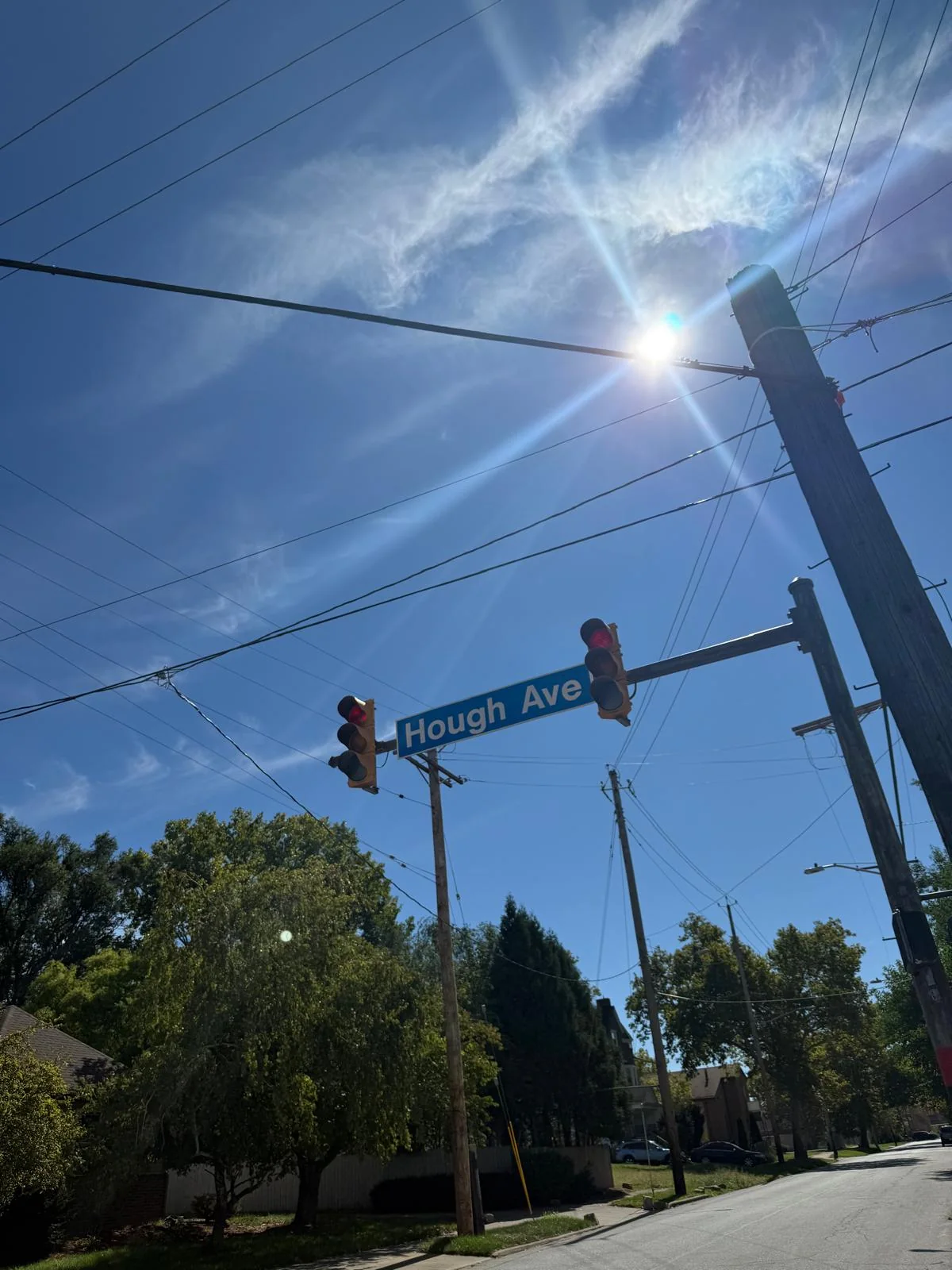
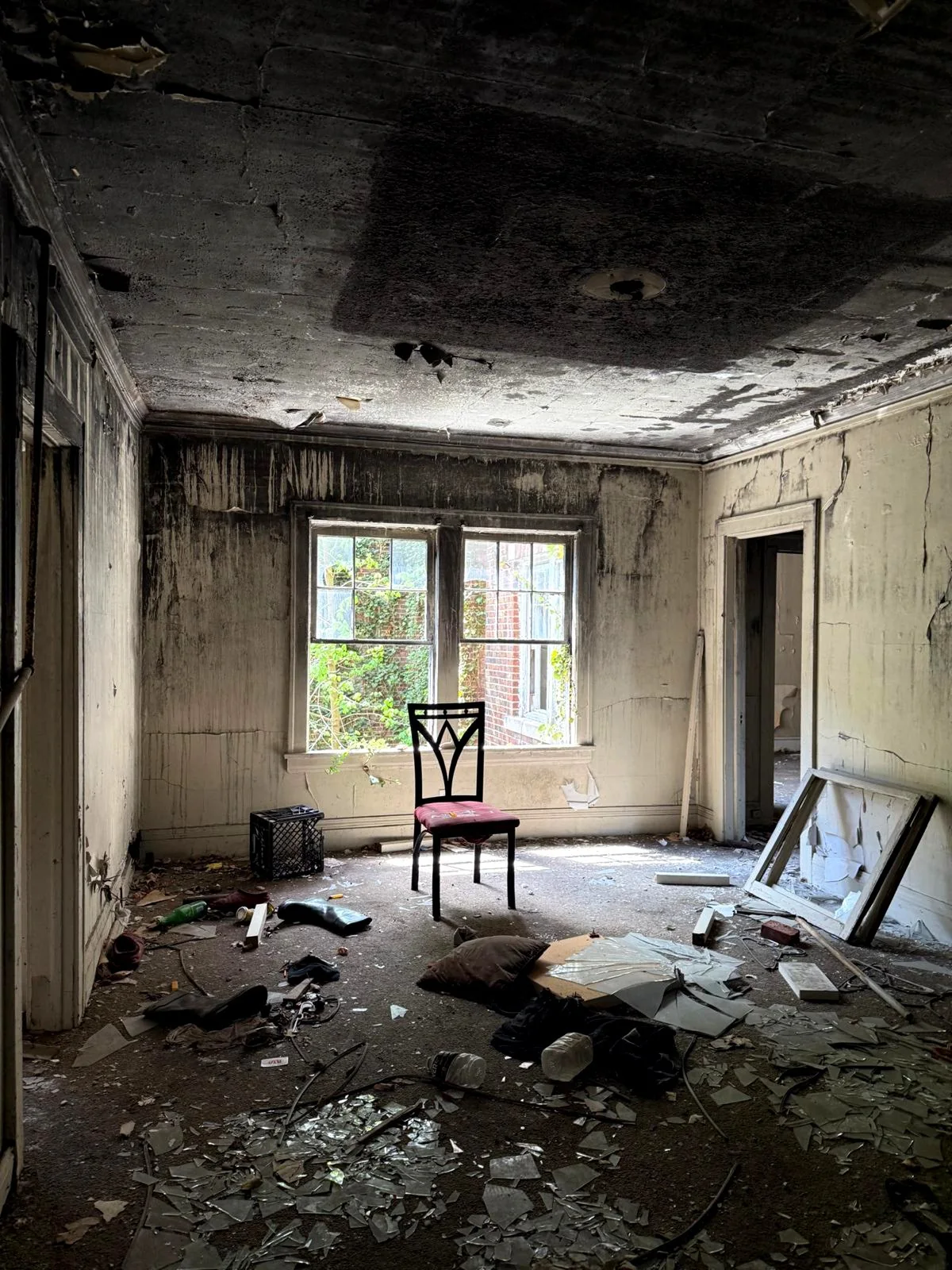
Situated Observation is an ongoing practice of sustained attention to people, place and the conditions through which cultural and civic life takes form. Moving through streets, buildings and changing landscapes, photography sits alongside conversation, discovery and depth networking: following relationships, introductions, local knowledge and existing cultural networks to understand what is already present. The practice attends to traces of use and abandonment, adaptation and care, informal acts of authorship, and the relationships between material environments and the people who inhabit them.
Rather than beginning with intervention or predetermined ideas of need, the practice begins by looking, listening and discovering—remaining open to what a place and the people within it might reveal on their own terms. Observation becomes a developmental method: building situated knowledge through sustained presence, conversation and relationship, from which deeper exchange, reciprocal networks and culturally responsive forms of practice can emerge.
_2400x3200.png)
_2400x3200.png)


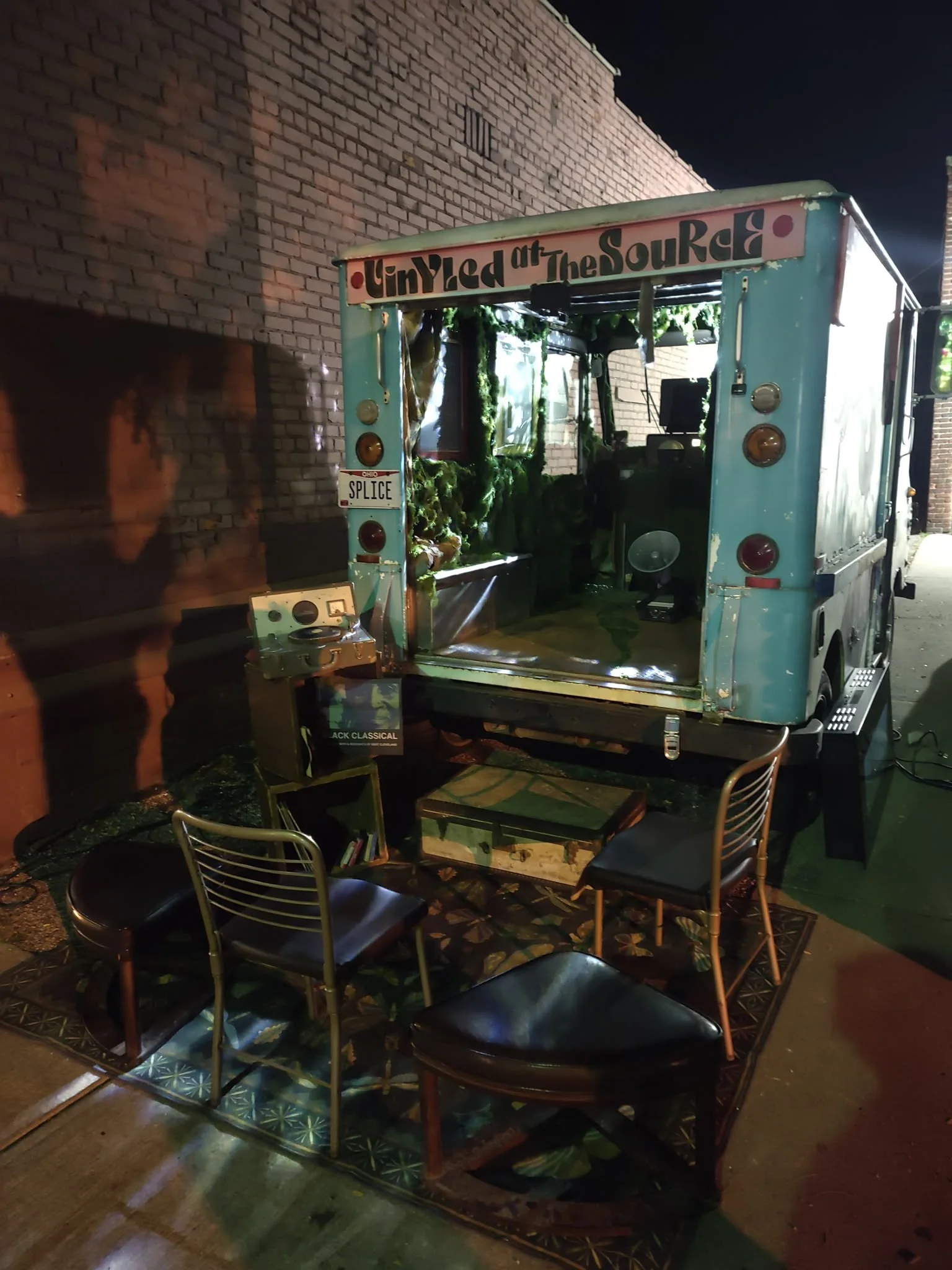
BLACK CLASSICAL

East Cleveland, Ohio · 2026
Editing & design · Editorial development · Conceptual development · Literary consultancy
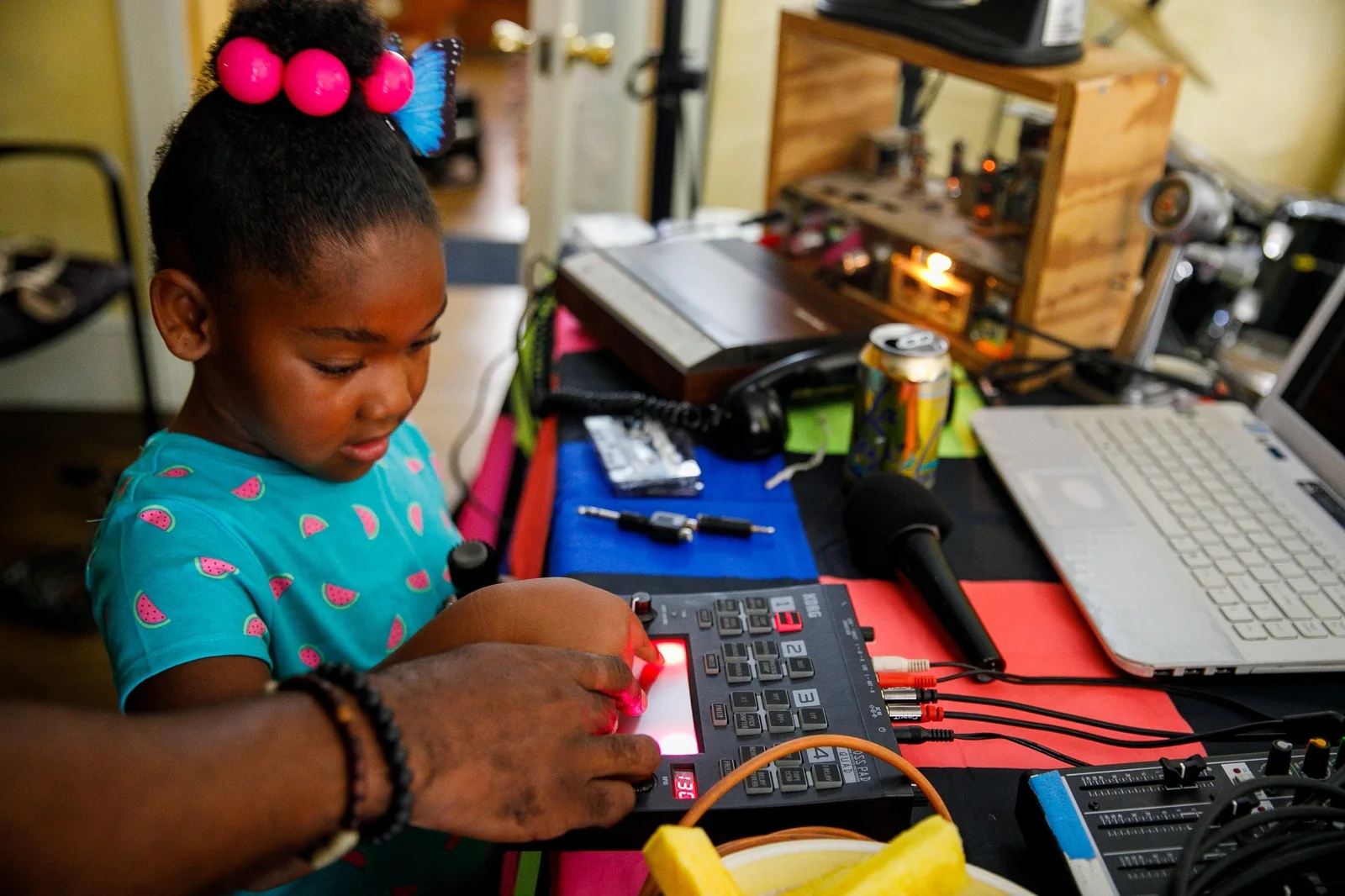
Black Classical is an evolving body of work by East Cleveland artist Benjamin Smith, bringing resident voices, portraiture, sound, print and architectural material into relation. Naomi's contribution spans editing and design, editorial and conceptual development, literary consultancy and situated photography, working with the project as a site through which listening, attention and cultural authorship can be considered as forms of community practice. The work asks what becomes possible when people are encountered not as subjects of cultural activity, but as producers of knowledge, memory and culture in their own right—and how the structures through which those contributions are received, composed and circulated might model a deeper cultural democracy.
Article: Black Classical: What Composition Emerges When a City Listens to Itself?


ARE WE NOT STRANGERS?
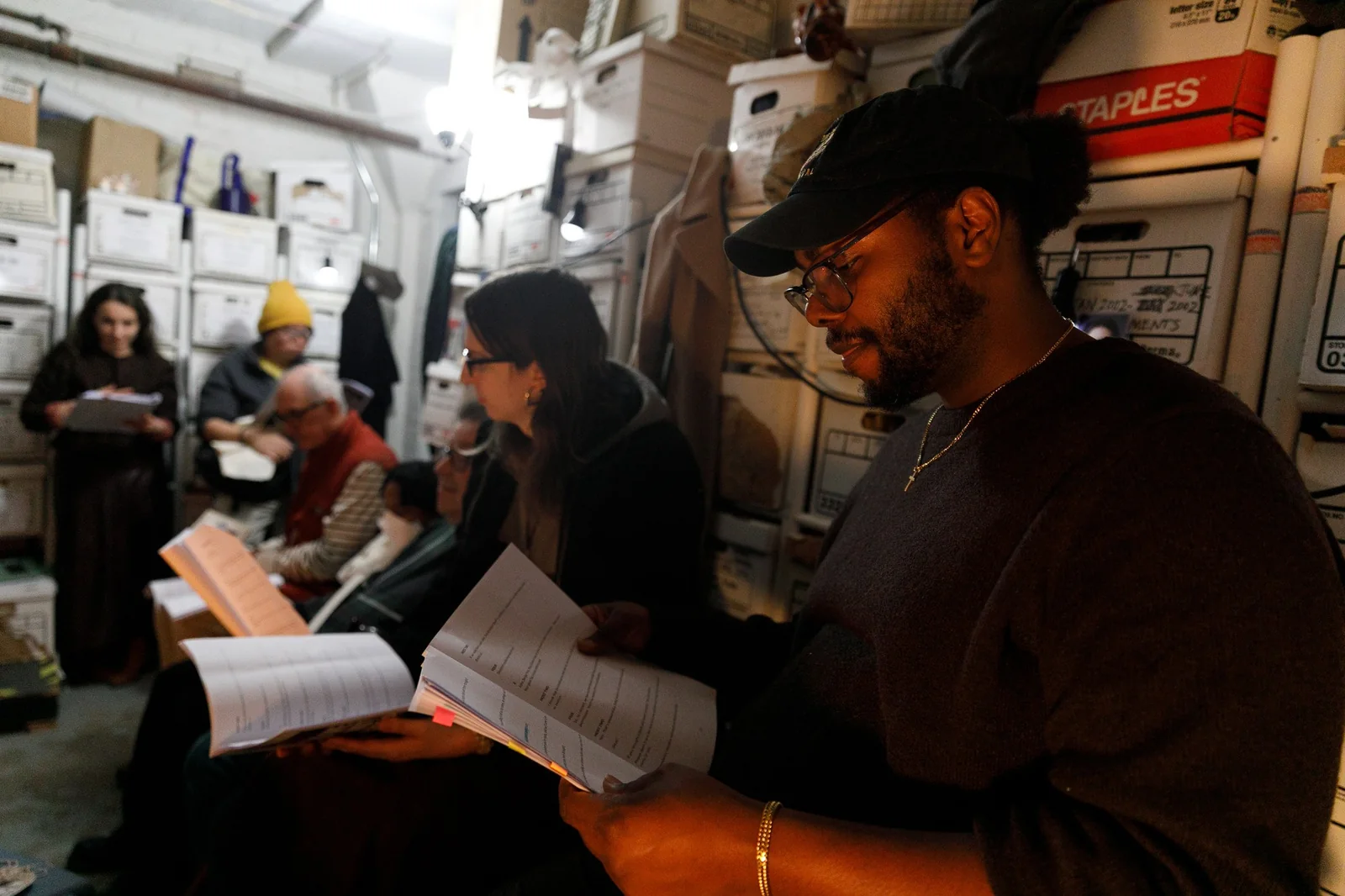
Are We Not Strangers? is a participatory performance exploring how strangers encounter, read and come into relation with one another. Developed through performance, conversation and collective action, the work unsettles the distinction between audience and participant, creating a temporary social space in which those present become part of its unfolding structure. The work uses theatre not only as a means of representation, but as a testing ground for forms of civic encounter: how we listen across difference, negotiate competing experiences and create conditions in which people can exercise voice, agency and responsibility toward one another. In this sense, participation becomes developmental—a means of rehearsing cultural democracy and asking how its practices might travel beyond the artwork into civic life.
Cleveland, Ohio · 2026
Concept & direction · Participatory performance · Devising & dramaturgy · Social practice
ARE WE NOT STRANGERS?


ARE WE NOT STRANGERS?
Cleveland, Ohio · 2026
Concept & direction · Participatory performance · Devising & dramaturgy · Social practice
Are We Not Strangers? is a participatory performance exploring how strangers encounter, read and come into relation with one another. Developed through performance, conversation and collective action, the work unsettles the distinction between audience and participant, creating a temporary social space in which those present become part of its unfolding structure. The work uses theatre not only as a means of representation, but as a testing ground for forms of civic encounter: how we listen across difference, negotiate competing experiences and create conditions in which people can exercise voice, agency and responsibility toward one another. In this sense, participation becomes developmental—a means of rehearsing cultural democracy and asking how its practices might travel beyond the artwork into civic life.
MAKING ROOM
Cleveland, Ohio · 2026
Concept & direction · Cultural development · Co-production · Artist development · Place-based practice
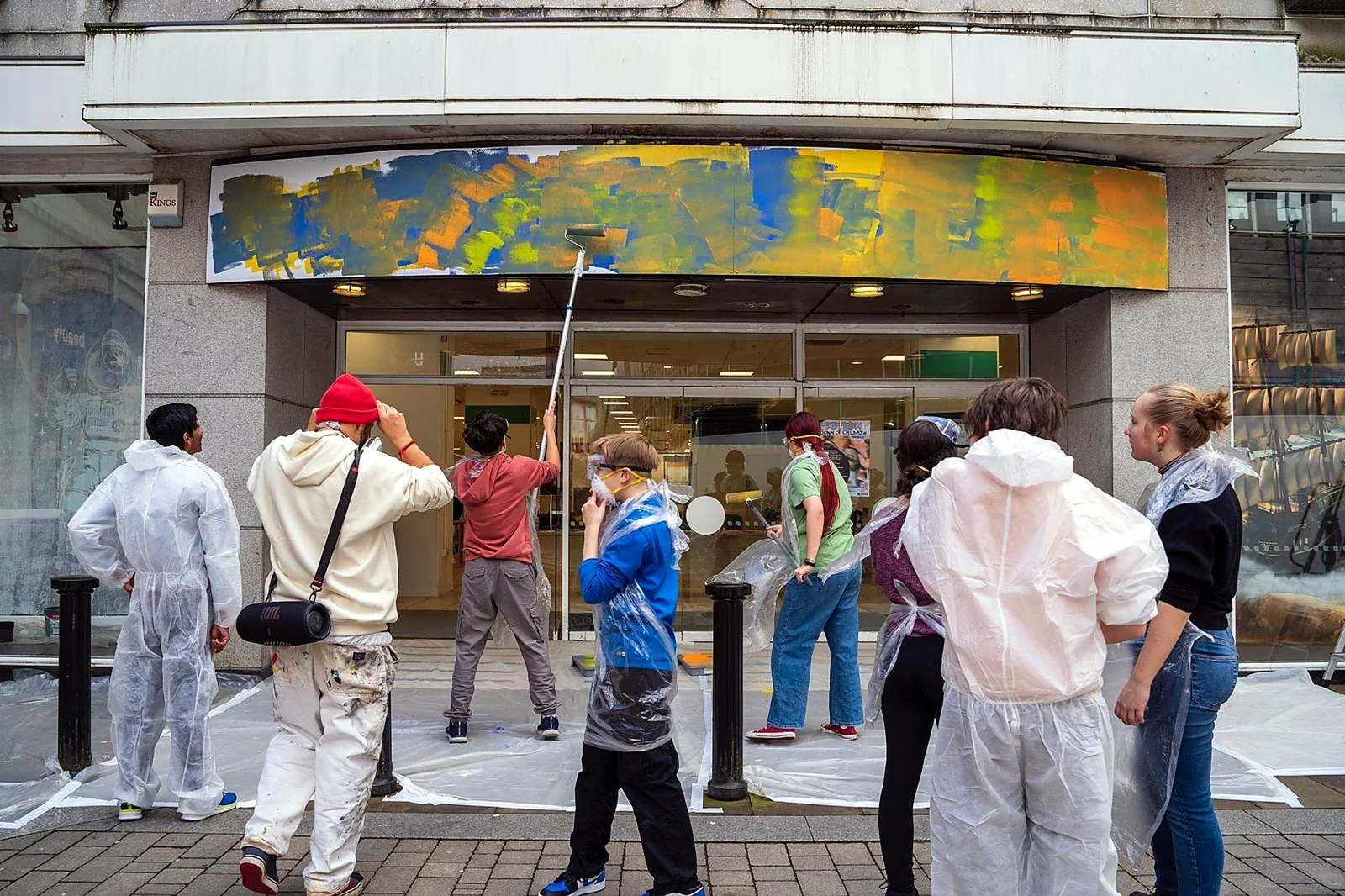
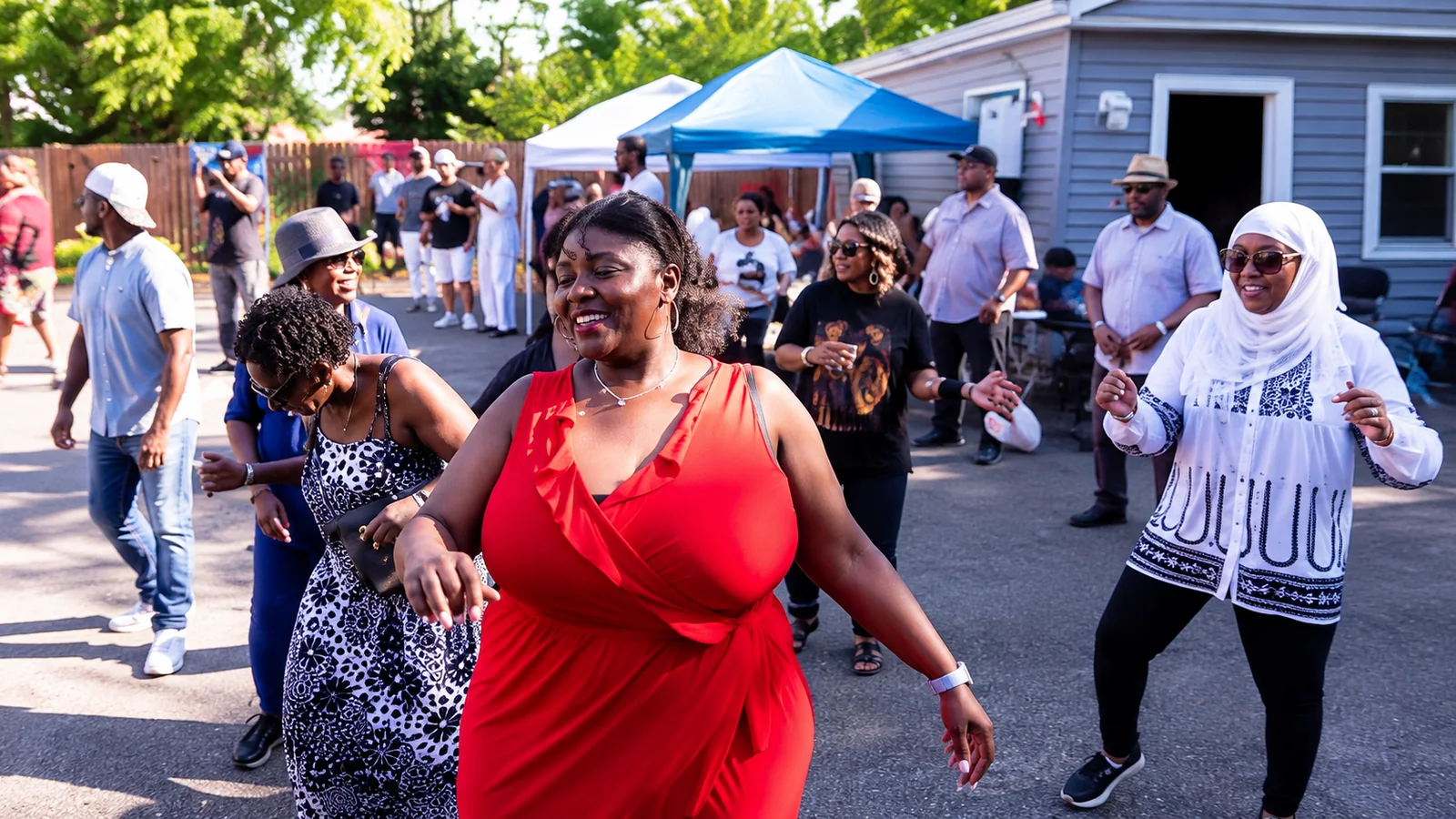
Making Room brings these developing methods together through sustained community cultural practice across Cleveland neighborhoods. Working through local artists, residents, organizations and neighborhood spaces, the project uses creative activity as a means of developing relationships in place: creating multiple points of entry through which people can make, speak, listen, perform, exchange knowledge and contribute to the cultural life of where they live.
Rather than approaching engagement as consultation around a predetermined outcome, Making Room develops through depth of encounter. Artists and communities work together through experimentation, skill sharing and co-production, allowing ideas, relationships and forms of cultural authorship to accumulate over time.
In doing so, the project explores how methods developed through artistic practice—attention, listening, reciprocity, collective enquiry and making—can support cultural democracy, and how the agency practised within cultural spaces might extend into people's participation in the wider civic life of their communities.